
Gastrointestinal Surgery
Surgical treatment for stomach, intestine, colon, and digestive tract conditions, using minimally invasive techniques wherever clinically appropriate.
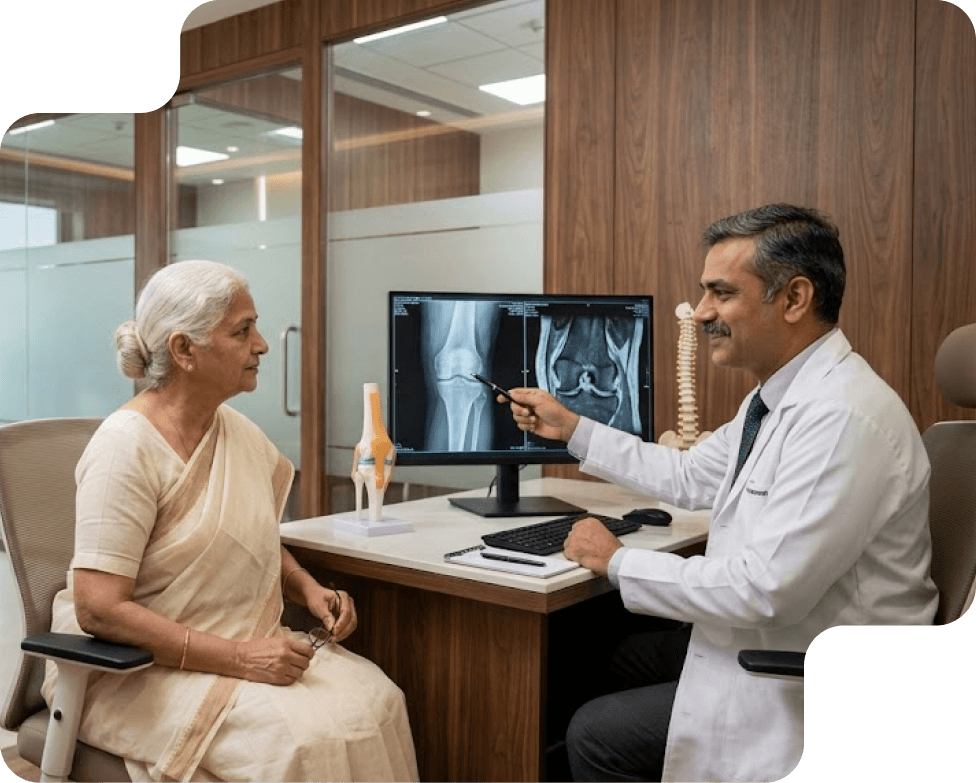
Understanding Gastrointestinal Surgery
Gastrointestinal surgery treats conditions affecting the stomach, small intestine, and colon that do not respond to medical management alone. Laparoscopic techniques are used where possible to reduce recovery time and scarring.
Conditions We Treat
Peptic Ulcer Disease
Open sores in the stomach or upper intestine lining causing pain, especially with complications like bleeding or perforation.
- Persistent upper abdominal pain
- Vomiting blood or dark stools
- Pain worsens after eating
Intestinal Obstruction
A blockage preventing normal movement of food and waste through the intestine.
- Severe abdominal cramping and bloating
- Unable to pass stool or gas
- Persistent vomiting
Inflammatory Bowel Disease
Chronic inflammation of the digestive tract, including Crohn's disease and ulcerative colitis.
- Persistent diarrhoea or blood in stool
- Ongoing abdominal pain
- Weight loss without explanation
Colorectal Polyps & Tumours
Growths in the colon or rectum that may require surgical removal.
- Blood in stool or rectal bleeding
- Change in bowel habits lasting weeks
- Family history of colorectal conditions
Diverticular Disease
Small pouches in the colon wall that can become inflamed or infected.
- Recurring lower abdominal pain
- Fever with abdominal discomfort
- Change in bowel habits
Abdominal Abscess
A pocket of infection within the abdomen, often following inflammation or prior surgery.
- Persistent fever with abdominal pain
- Swelling or tenderness in the abdomen
- Symptoms follow a recent infection or surgery
Recovery & Rehabilitation
From diagnosis to digestive recovery, care progresses through clear stages.
Assessment
Confirm the Diagnosis
Endoscopy, imaging, and clinical evaluation identify the affected part of the digestive tract and the best treatment approach.
Treatment
Medical or Surgical Care
Medication and dietary management are tried first where appropriate; surgery is planned when the condition requires it.
Recovery
Structured Recovery
Laparoscopic techniques, where used, support a shorter hospital stay and quicker return to normal eating and activity.
Follow-up
Digestive Health Monitoring
Follow-up review and, where relevant, periodic screening help maintain long-term digestive health.
Gastrointestinal Surgery questions
Get answers about digestive conditions, surgical treatment, and recovery.
No. Many gastrointestinal conditions are managed with medication and dietary changes. Surgery is considered when symptoms persist, complications develop, or a blockage or tumour is present.
You may benefit from a gastrointestinal review if:
- Abdominal pain is persistent or recurring
- There is blood in your stool
- Bowel habits have changed for several weeks
- Bloating or vomiting will not settle
- Symptoms are affecting your weight or appetite
Medical management is explored first
Most digestive conditions are initially treated with medication and dietary changes, with surgery considered when symptoms persist or complications arise.
Need help deciding? Our Care Guide can help you choose the right specialist or hospital.
Emergency care when every minute matters.
Round-the-clock emergency, trauma and critical care teams, ready ambulances and rapid response across our Patna and Begusarai units.
24×7 Emergency
Always-staffed emergency rooms in Patna & Begusarai.
Ambulance
Rapid ambulance dispatch, 24/7 emergency support.
ICU & Critical Care
Advanced life support and intensive care.
Cardiac Emergency
Heart-attack and chest-pain response pathway.
Stroke / Neuro
Time-critical stroke and neuro emergency care.
Trauma & Accident
Trauma team for accident and injury cases.